


5 Practical Ways to Protect Your Vision When You Have Diabetes in Saint Lucia

Living with diabetes in Saint Lucia comes with unique challenges : from our traditional diet high in carbohydrates that can affect blood sugar levels to limited access to specialized eye care. If you're one of the thousands of Saint Lucians managing diabetes, you're already dealing with enough. But here's what many don't realize: diabetes is the leading cause of blindness in working-age adults, and most vision loss from diabetes is completely preventable.
The good news? You have more control than you think. The not-so-good news? Many people with diabetes in Saint Lucia are unknowingly making mistakes that put their sight at serious risk.
Let's talk about five common ways you can protect your eyes when you have diabetes.
1. Have Your Annual Eye Exam
What is it?
You feel fine, your vision seems normal, so you skip your yearly comprehensive eye exam. Maybe you think it's not urgent, or perhaps you're worried about the cost or time commitment.
Why it matters:
Diabetic eye disease is sneaky : it starts silently. By the time you notice blurred vision, dark spots, or trouble seeing at night, significant damage has already occurred. Diabetic retinopathy can be progressing for years without any symptoms you'd notice.
Here in Saint Lucia, we see too many patients who come in only after they've started losing vision. At that point, we're managing damage instead of preventing it.
What's involved?
Your optometrist will: • Check for signs of diabetic retinopathy, macular oedema, and glaucoma • Measure your eye pressure • Assess any changes in your vision prescription
You may have to return for pupil dilation and retinal photographs if you are not under the Diabetic Retinopathy Service in Vieux Fort Health Centre or the National Eye Centre in the old Victoria Hospital, Castries.
We dilatew the pupil to allow us to examine the back of the eye in more deatil and take photographs for your records.
The dilation part means your eyes will be sensitive to light for a few hours afterward : bring sunglasses or plan to have someone drive you home.
Why it's worth having:
Early detection means early treatment. Caught early, most diabetic eye conditions can be managed effectively. We can often prevent vision loss entirely or slow it significantly. Think of it as insurance for your sight.
2. Manage Your Blood Sugar Levels Consistently
What is it?
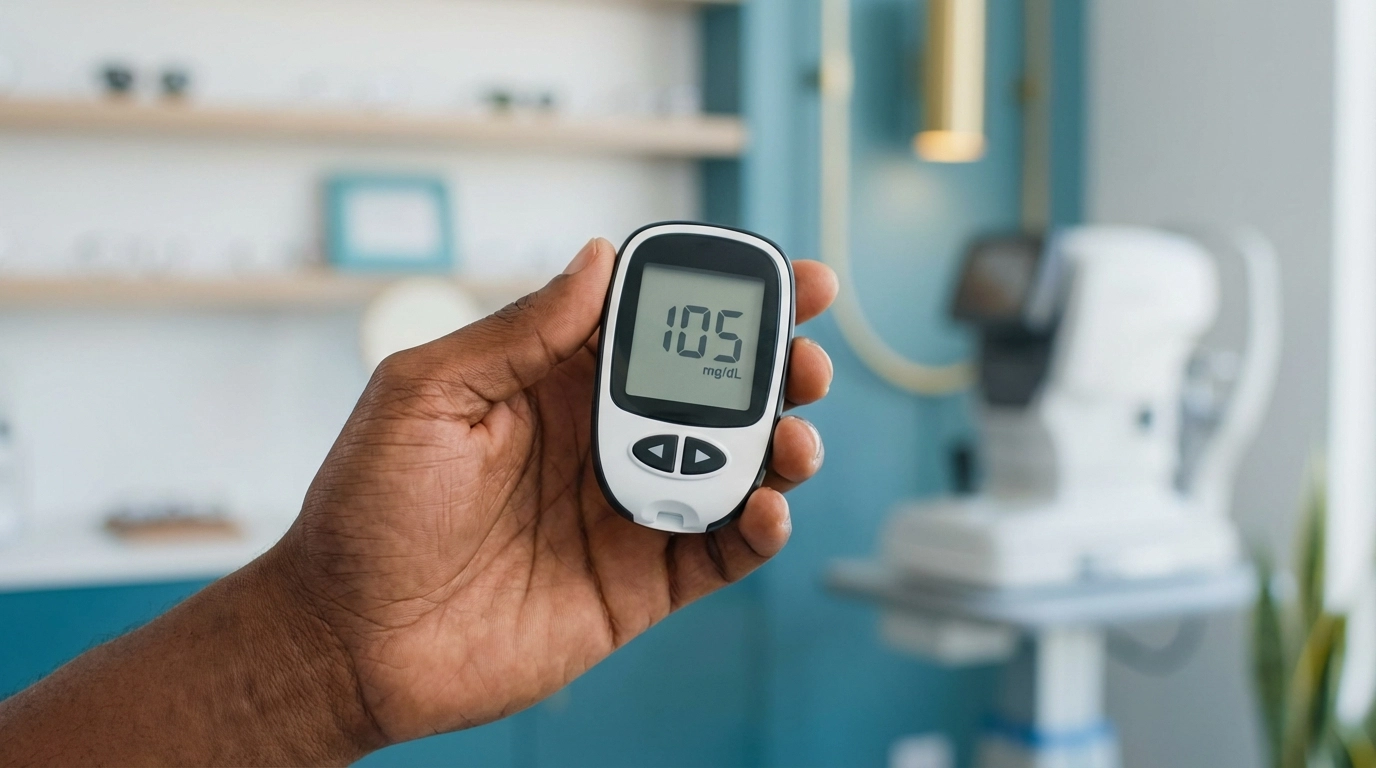
You know you should keep your blood sugar in check, but life gets busy. Maybe you're inconsistent with testing, skip medications occasionally, or figure that "close enough" is good enough when it comes to your target levels.
Why it matters:
High blood sugar literally damages the tiny blood vessels in your retina : the light-sensitive tissue at the back of your eye. Think of these vessels like delicate garden hoses. Consistently high sugar levels make them weak, leaky, and prone to bursting.
In Saint Lucia's heat and humidity, staying hydrated becomes even more crucial for blood sugar management. Dehydration can spike your levels quickly.
What's involved?
Consistent blood sugar management means:
• Testing your levels as recommended by your doctor • Taking medications on schedule • Eating regular, balanced meals • Staying hydrated : especially important in our tropical climate • Keeping track of how different foods affect your levels
Why it's worth having:
Good blood sugar control doesn't just protect your eyes : it protects your kidneys, nerves, heart, and overall quality of life. Your eyes will thank you for every day you keep your levels in range.
3. Don't Ignore Early Warning Signs
What is it?
You notice some blurry vision or occasional dark spots, but you brush it off. Maybe you think it's just stress, age, or that you need new glasses. So you wait to see if it gets better on its own.
Why it matters:
Your eyes don't lie. When diabetes affects your vision, those early warning signs are your body's way of asking for help. Waiting often means missing the window for the most effective treatments.
Warning signs include:
• Blurry or fluctuating vision • Dark spots or "floaters" in your vision • Difficulty seeing at night • Colors appearing faded • Straight lines looking wavy or bent
What's involved?
If you notice any vision changes, call us immediately. We can usually get you in for an urgent appointment within 24-48 hours. The exam will determine whether what you're experiencing is diabetes-related or something else entirely.
Why it's worth having:
Quick action can save your sight. Many diabetic eye complications respond best to treatment when caught early. Even if it turns out to be nothing serious, you'll have peace of mind.
4. Take Regular Exercise
What is it?
You sit most of the day, and plan to start "next week." Life gets busy, the heat feels heavy, and activity falls off your list.
Why it matters:
Regular exercise helps your body use insulin better — lowering blood sugar and reducing spikes. It also lowers blood pressure and improves cholesterol. That protects the tiny blood vessels in your retina — the light-sensing layer at the back of your eye. People who stay active have a lower risk of diabetic retinopathy and macular edema. In Saint Lucia’s tropical climate, movement boosts circulation, but you need to hydrate to stay safe.
What's involved?
Aim for:
• 150 minutes a week of moderate activity — like brisk walking • Strength training 2 days a week — bodyweight, bands, or light weights • Short bouts to start — 10-15 minutes in the morning or evening to avoid midday heat
Smart options in Saint Lucia:
• Beach walks at sunrise or sunset • Swimming or water aerobics — gentle on joints and great for blood sugar • Low-impact dance at home • Gentle hikes across our many hills and valleys
Safety tips:
• Check with your doctor before starting or changing your routine • Wear supportive shoes and check your feet daily if you have neuropathy • Test your blood sugar as advised — carry fast-acting carbs just in case • Drink water before, during, and after as our heat and humidity dehydrate fast • Avoid the hottest hours — plan movement early or late
Why it's worth having:
You'll see steadier blood sugars and fewer swings — which protects your eyes before you notice any changes. Your next eye exam is more likely to be stable. You'll feel more energetic, sleep better, and have more confidence managing diabetes day to day.

5. Don't NeglectYour Overall Health
What is it?
You focus on managing your diabetes but ignore your blood pressure, cholesterol, or weight. Or maybe you smoke, thinking it only affects your lungs. You might not realize these seemingly separate health issues are all connected to your eye health.
Why it matters:
Your eyes are part of your whole body system. High blood pressure damages the blood vessels in your retina just like high blood sugar does. High cholesterol can cause blockages in retinal blood vessels. Smoking reduces oxygen flow to your eyes.
In Saint Lucia, where many of us love our salt fish, fried bakes, and rum, managing these other health factors requires some intentional choices.
What's involved?
A comprehensive approach to eye health includes:
• Keeping blood pressure under control • Managing cholesterol levels • Maintaining a healthy weight • Not smoking (or quitting if you currently smoke) • Eating plenty of leafy greens, fish, and colorful fruits and vegetables • Getting regular exercise : even walking on our beautiful beaches counts
Why it's worth having:
When you take care of your whole body, your eyes benefit. You'll not only see better but feel better overall. Plus, the lifestyle changes that protect your eyes also protect your heart, brain, and kidneys.
Taking Action: Your Next Steps
If you recognized yourself in any of these mistakes, don't panic : but do take action. The best time to protect your vision was yesterday. The second-best time is today.
Here's what to do right now:
• Schedule your eye exam if it's been more than a year (or if you've never had one) • Talk to your doctor about your blood sugar, blood pressure, and cholesterol targets • Exercise regularly: your body is worth the investment • Pay attention to any vision changes and report them immediately
At Bèl Zyé Eye Care, we understand the unique challenges of managing diabetes in Saint Lucia. We're here to partner with you in protecting your vision for the long term. Remember: most diabetic vision loss is preventable, but only if you take the right steps at the right time.
Your sight is irreplaceable. Don't leave it to chance.
Ready to take control of your diabetic eye care?Book your comprehensive eye examtoday. Your future self will thank you.
Comments